
The best kitchens do more than provide a place to prepare meals. They create space for conversations, celebrations, homework, morning coffee, and the everyday moments that bring people together. A thoughtful kitchen design for entertaining should feel welcoming while still making cooking, serving, and cleaning comfortable.
For homeowners planning a kitchen remodel in Wilmington, Hampstead, Porters Neck, Surf City, or another Coastal North Carolina community, the following design considerations can help create a kitchen that works beautifully for daily life and special gatherings.
Begin With How You Want to Use the Kitchen
Before selecting cabinets, countertops, or fixtures, think about how people will use the room. Every household gathers differently, so the layout should reflect your routines rather than follow a one-size-fits-all design.
Consider questions such as:
- How many people regularly cook at the same time?
- Do guests tend to gather around the island?
- Will the kitchen be used for homework or working from home?
- Do you host large holiday meals or smaller casual gatherings?
- Would a dedicated beverage or coffee station be useful?
- Should the kitchen connect more naturally to the dining room or outdoor living space?
Your answers can help guide decisions about the layout, seating, storage, lighting, and overall flow of the kitchen.
Create a Layout That Keeps People Connected
A kitchen made for gathering should allow the person preparing food to remain part of the conversation. Open sightlines between the kitchen, dining area, and living space can help everyone feel connected without crowding the primary work area.
It is also important to create clear paths through the room. Guests should be able to reach seating, drinks, or snacks without repeatedly crossing through the main cooking zone. Thoughtfully placed islands, peninsulas, and serving areas can help separate these activities while maintaining an open atmosphere.
Give the Kitchen Island a Clear Purpose
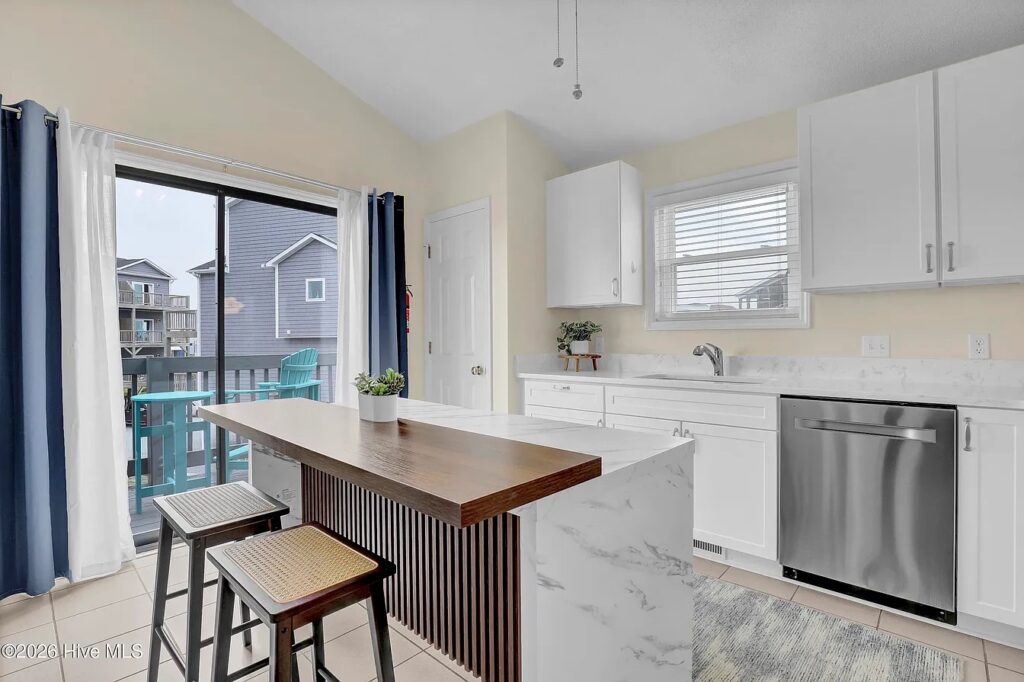
A kitchen island can become the natural center of the room, but it should be designed around how your family will actually use it. Depending on the available space, an island might provide:
- Comfortable seating for family and guests
- Additional food preparation space
- Storage for cookware and serving pieces
- A sink or other functional work area
- A convenient place for serving meals and refreshments
The island should be large enough to be useful without making the room feel cramped. Comfortable walkways around it are especially important when several people may be cooking, sitting, or moving through the kitchen at once.
Make the Seating Comfortable
Island seating should feel intentional rather than squeezed into leftover space. Plan for comfortable legroom, appropriate spacing between seats, and a countertop depth that allows people to sit naturally.
It also helps to consider what seated guests will face. Whenever possible, position seating so guests can comfortably talk with the person cooking and interact with others in the surrounding living or dining areas.
Plan Storage Around Your Daily Routines
Good storage helps a kitchen remain calm and welcoming, even when it is being used by several people. Rather than simply adding more cabinets, think about where specific items will be used.
Helpful storage features may include:
- Deep drawers for pots and pans near the cooking area
- Tray dividers for baking sheets and cutting boards
- Pull-out storage for frequently used ingredients
- Hidden trash and recycling bins near the prep area
- A pantry organized around everyday meals
- A beverage station located outside the main cooking zone
- Storage for serving dishes near the dining area
Keeping items close to where they are needed reduces unnecessary movement and makes it easier for family members and guests to help themselves.
Use Layered Lighting
Lighting has a major influence on how a kitchen feels. A room that is bright enough for food preparation can sometimes feel too harsh for a relaxed dinner or evening gathering. Layered lighting provides flexibility for both.
A well-designed lighting plan often combines:
- Ambient lighting for comfortable overall illumination
- Task lighting over countertops, sinks, and cooking areas
- Decorative lighting above an island or dining area
- Accent lighting inside cabinets or around architectural details
Using separate controls or dimmers allows the atmosphere to change as the kitchen moves from meal preparation to entertaining.
Choose Materials That Support Real Life
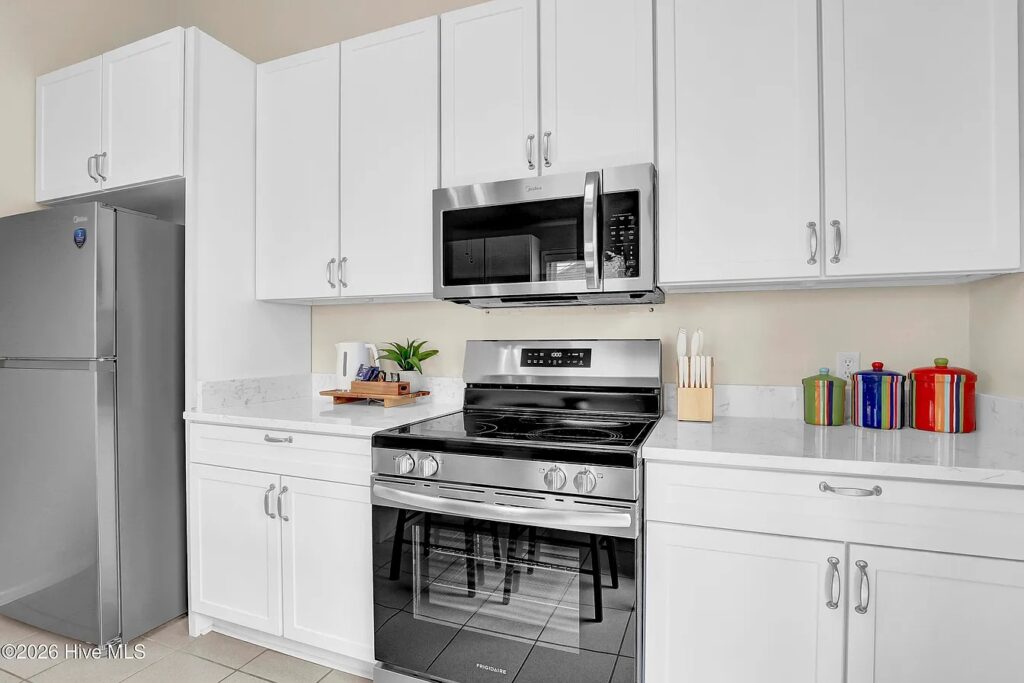
A gathering-friendly kitchen should be beautiful, but it should also be able to handle spills, frequent cleaning, and everyday wear. Countertops, flooring, cabinetry, and hardware should be selected with durability and maintenance in mind.
In Coastal North Carolina homes, it is also helpful to consider humidity, sand, moisture, and the connection between indoor and outdoor spaces. Durable finishes and easy-to-clean surfaces can help the kitchen retain its appearance while supporting an active household.
Connect the Kitchen With Nearby Spaces
A kitchen does not function in isolation. Its relationship to the dining room, living area, patio, or porch can influence how easily people gather and move throughout the home.
Wider openings, consistent flooring, coordinated finishes, and clear sightlines can help neighboring rooms feel connected. If your family frequently entertains outdoors, improving access between the kitchen and an exterior gathering area may be just as important as changing the kitchen itself.
Include Details That Feel Personal
The most memorable kitchens reflect the people who live in them. A custom hood, meaningful display area, favorite finish, built-in seating nook, or carefully selected statement light can give the space character without sacrificing function.
These details should feel connected to the rest of the home rather than chosen solely because they are currently popular. A thoughtful design balances timeless materials with personal elements that make the kitchen feel lived in and welcoming.
Design for Everyday Moments and Special Occasions
A successful kitchen remodel should work just as well on an ordinary weekday as it does during a holiday gathering. By planning the layout, island, seating, storage, lighting, and surrounding spaces together, you can create a kitchen that supports both everyday routines and meaningful time with others.
Salt & Timber Home Solutions provides thoughtful kitchen remodeling in Coastal North Carolina, with a focus on craftsmanship, functionality, and creating spaces where people can connect. Explore our recent projects or start a conversation about your kitchen remodel.